From Awareness to Action: The Role of SDA in Orbital Resilience
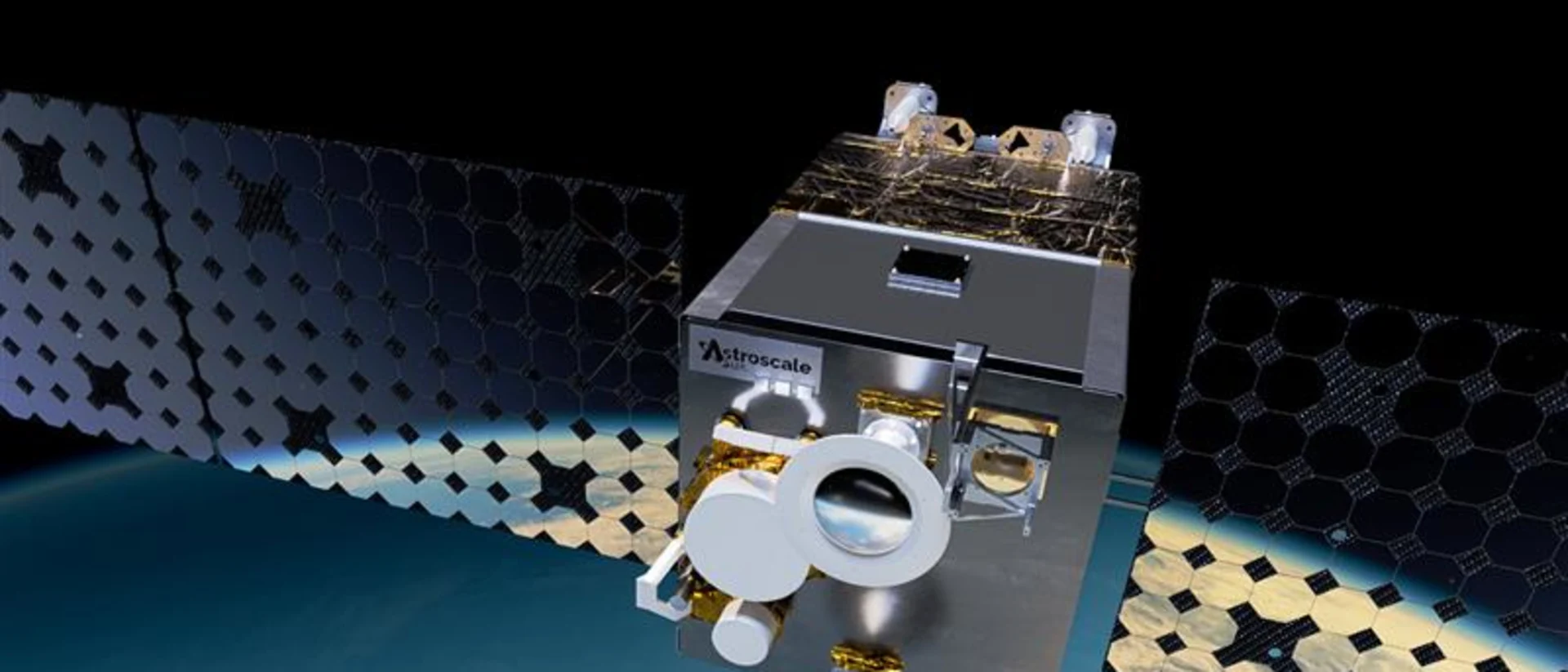
As space becomes more congested and operationally complex, resilience won’t be achieved by simply launching more spacecraft. It will depend on understanding what is happening in orbit and leveraging the ability to act on that information. Space Domain Awareness (SDA) provides that foundation, giving operators greater insight through persistent monitoring, inspection, and characterization.
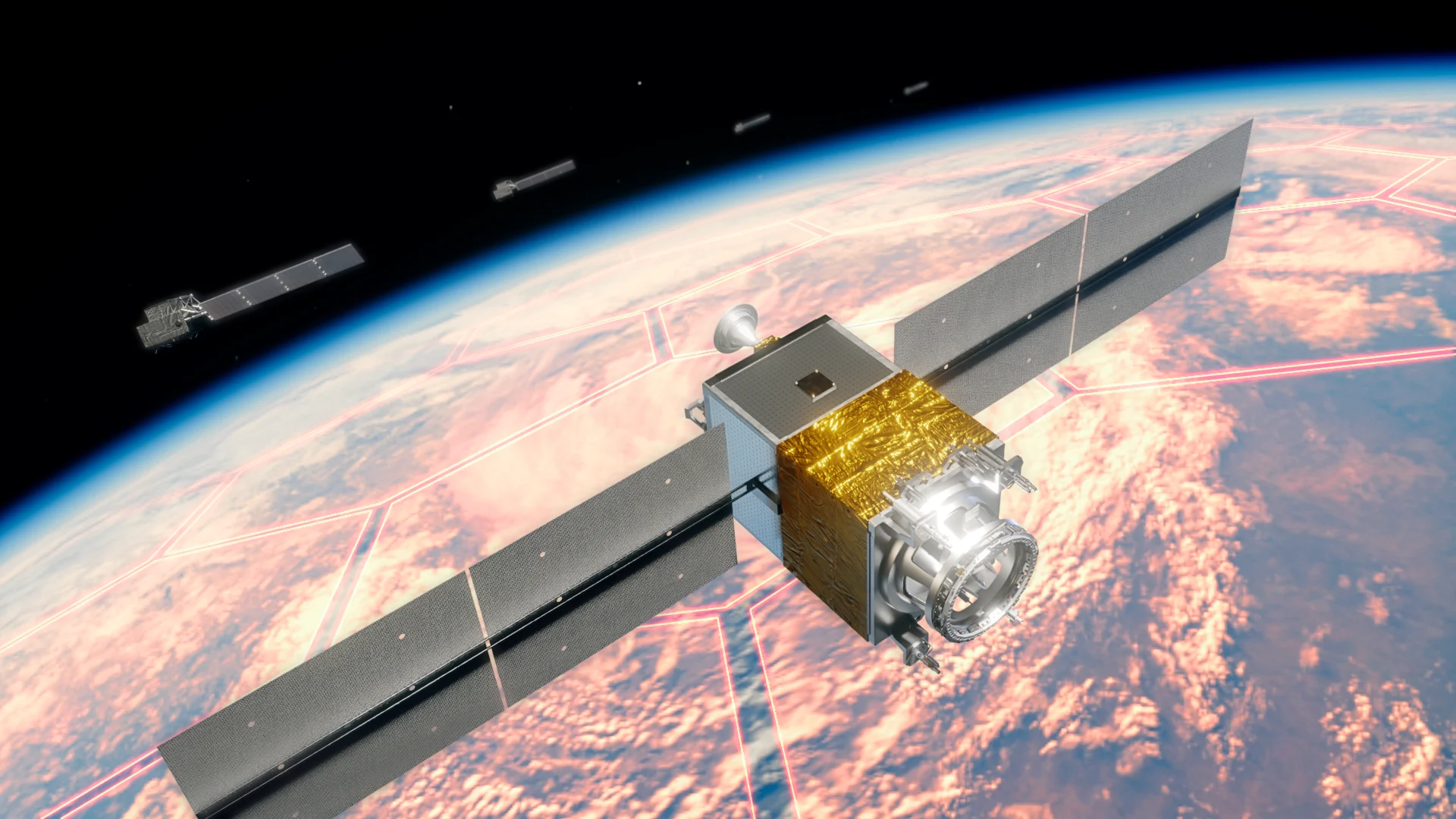
The capabilities that enable advanced SDA — including autonomous navigation, rendezvous and proximity operations (RPO), close inspection (meters), and long-range characterization (kilometers)—also underpin satellite servicing. Astroscale has demonstrated these capabilities and can design missions incorporating SDA with servicing. Combining awareness with servicing creates a more flexible model for operations in all orbital regimes: Understand the environment first, then apply capabilities when and where they are needed.
SDA at the Core of Satellite Servicing
Before a spacecraft can be refueled, relocated, or deorbited, operators need insight into its condition and surrounding environment. SDA provides those insights through detection, tracking, custody, and close-proximity inspection that help characterize the client spacecraft, identify changes or anomalies, detect notable objects or activities nearby, and inform future servicing missions. This creates a natural progression from awareness to action: SDA delivers the insight needed to understand the environment, while servicing provides the capabilities to respond.
Astroscale U.S. builds on flight heritage proven by the ADRAS-J mission. The spacecraft safely approached and inspected a large, non-cooperative piece of orbital debris and collected information and images up to 15 meters and conducted fixed-point observations and a fly-around operation.
That expertise is foundational to Astroscale U.S.’ solutions that span SDA and inspection, maneuver, refueling, and deorbit services that are driven by RPO.
Expanding the Operational Value of SDA with More Missions
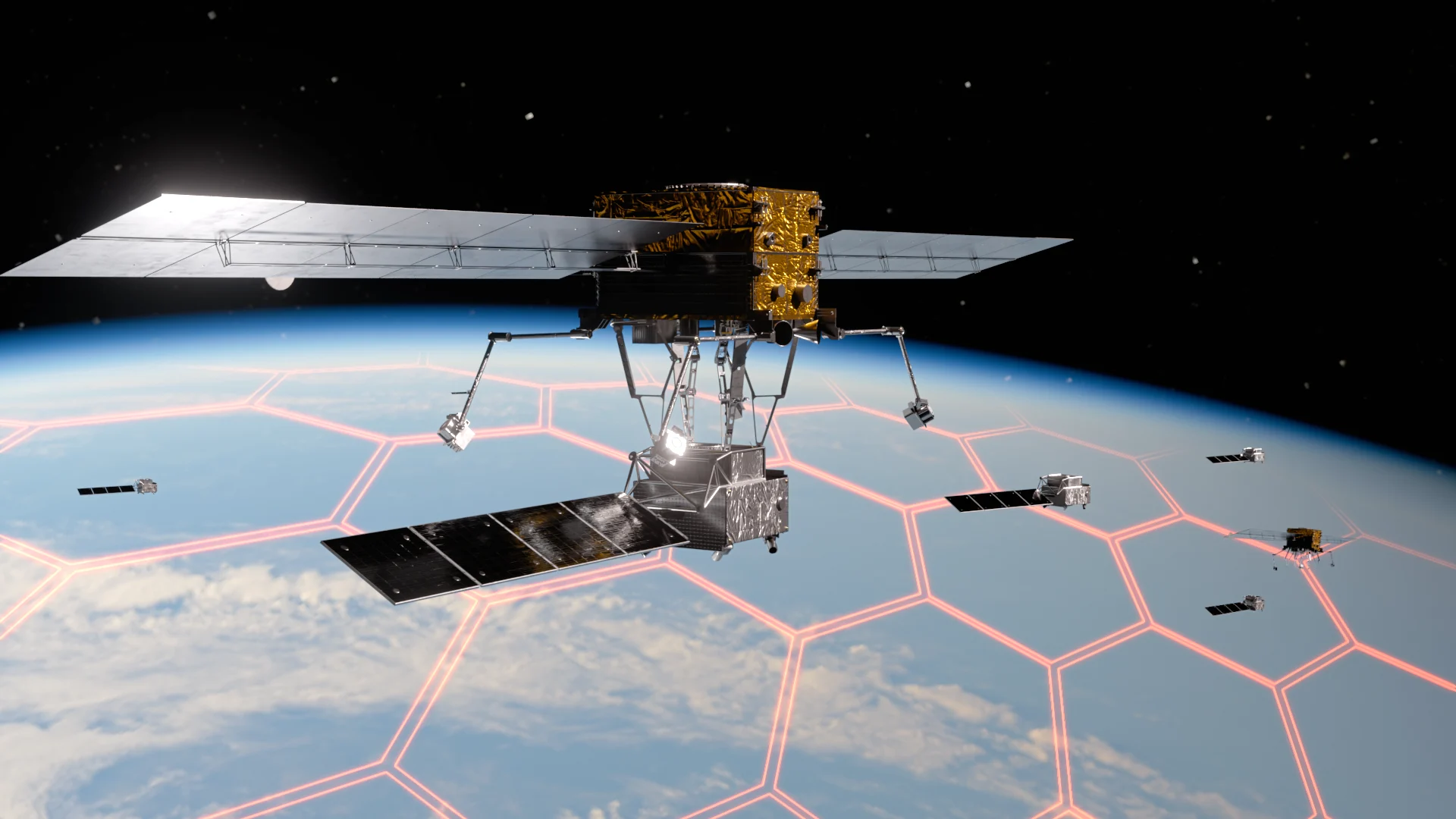
A spacecraft deployed for a future servicing mission doesn’t need to spend its operational life waiting for that moment. SDA can provide an operational role before, between, or alongside other servicing activities. For example, a servicer could perform inspection and SDA missions before transitioning to refueling, maneuver, life extension, or deorbit as needed.
A multi-mission approach allows capabilities to work together across the spacecraft lifecycle. Astroscale U.S. is advancing this approach to expand the utility of servicing while retaining the flexibility to respond as mission priorities evolve.
From SDA to Deorbit
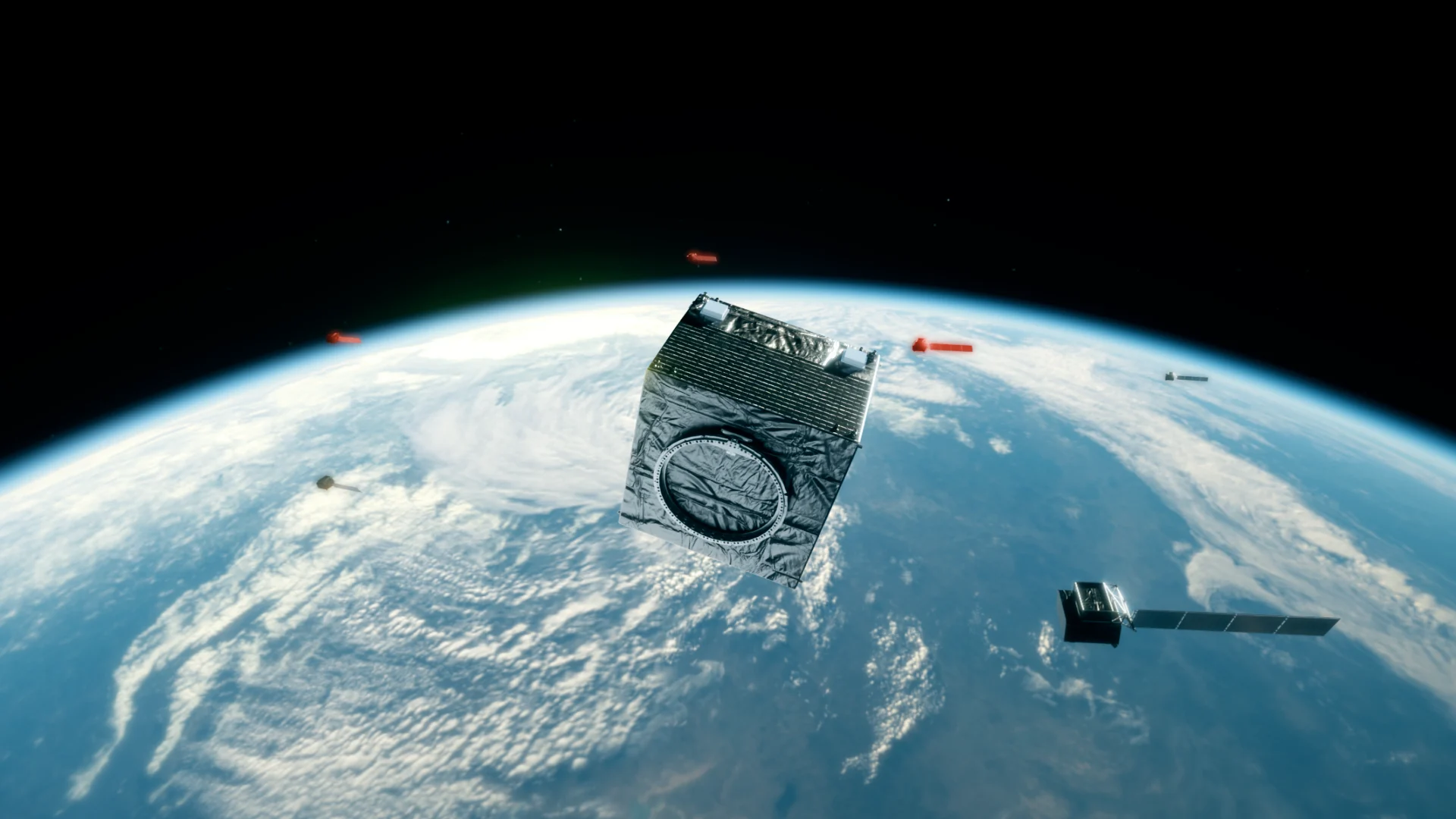
As space architecture proliferates, derelict spacecraft pose a growing operational risk to active constellations and future missions. Operators need practical ways to identify, characterize, approach, and ultimately manage these spacecrafts.
Astroscale has already demonstrated the essential capabilities for this type of servicing through ELSA-d, the world’s first commercial mission to demonstrate core technologies necessary for debris docking and removal. That flight experience helps establish a foundation for commercial deorbit and deorbit as a service (DaaS). Instead of requiring every government program to develop its own end-of-life service infrastructure, operators can access specialized deorbit capabilities for their constellations through a commercial model.
Pairing deorbit with SDA further broadens the value proposition. A servicer can provide inspection and awareness throughout its operational life while retaining the ability to execute an end-of-life mission when required. Deorbit becomes one application within a broader servicing architecture — not the spacecraft’s only purpose.
Applying SDA to On-Orbit Refueling
On-orbit refueling relies on many of the same foundational capabilities as SDA, including precise navigation, RPO, spacecraft characterization, and safe approach. Combining these capabilities allows a multi-mission spacecraft to deliver immediate value through SDA while supporting advanced servicing missions such as refueling, augmented maneuver, and disposal — expanding operational utility without requiring a dedicated spacecraft for each mission. The first-ever refueling of a United States Space Force (USSF) asset will be conducted by Astroscale U.S.’s Provisioner®, which will be launch-ready this year.
Designing Missions Today for Future Servicing
Designing for servicing does not mean committing to a specific mission today. Instead, it preserves options for tomorrow — especially in a crisis.
Relatively small decisions made before launch, like incorporating standardized docking plates, can make future inspection and servicing missions safer, simpler, and less costly. Astroscale demonstrated the value of a cooperative interface with ELSA-d, which used a docking plate and magnetic capture mechanism to demonstrate repeated release and capture in orbit.
Cooperative design can support a range of future missions, including:
Inspection and SDA
Refueling
Life extension
Relocation and maneuver
Repair or upgrades
End-of-life disposal
For proliferated architectures that evolve through successive generations, serviceability can be incorporated incrementally. Operators don’t need to predict every future requirement; they can ensure spacecraft launched today don’t unnecessarily limit tomorrow’s options. These incremental investments can dramatically reduce the government's time horizons for incorporating servicing into future architectures.
Building More Resilient Space Architectures
The next phase of on-orbit operations should connect awareness, action, and long-term sustainability, with SDA as the through line.
Astroscale U.S.’ solutions span SDA, RPO, inspection, maneuver, refueling, and deorbit services. Bringing these capabilities together can help operators get more from assets already in orbit — expanding their utility, extending their operational value, and creating greater flexibility to respond as mission needs evolve, independent of launch schedule constrains.
The result is a more efficient approach to the spacecraft lifecycle, where SDA delivers value today while enabling servicing capabilities that can maximize existing investments well into the future.